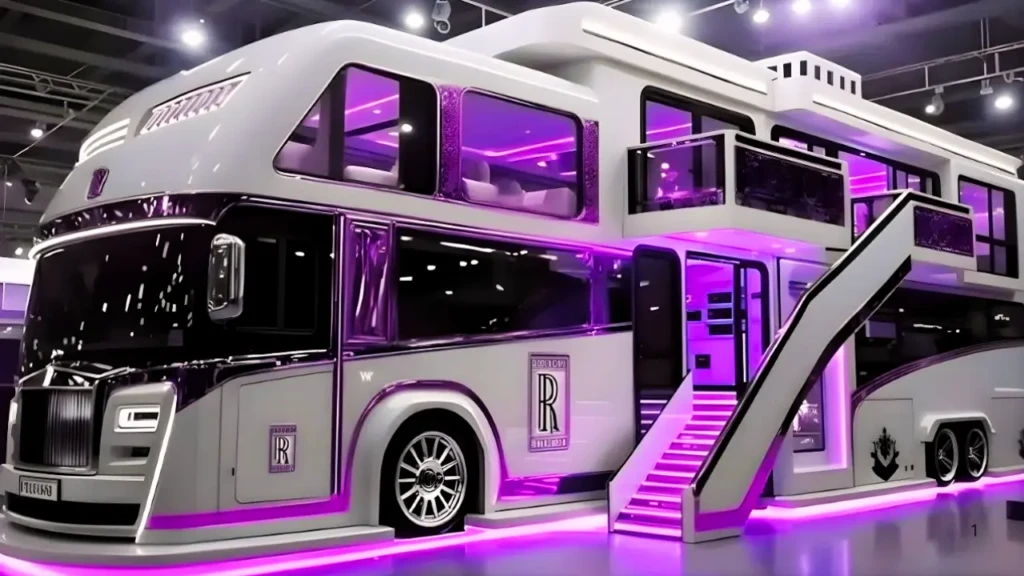
The Kia Camper Van 2026 is an innovative adventure-ready vehicle designed for modern travelers and outdoor enthusiasts who seek a mobile living experience without compromising on performance or comfort. This camper van represents Kia’s strategic entry into the leisure vehicle segment, combining the brand’s reputation for reliability and innovative design with practical features unique to camping, long road trips, and an off-grid lifestyle.
As demand for recreational vehicles grows worldwide—camper van sales are growing by more than 10% annually in major markets like Europe and North America—the Kia Camper Van aims to offer a strong balance between affordability and functionality for families, couples, and solo travelers who want both everyday use and weekend getaway capability.
Engine and Performance
The Kia Camper Van is powered by a modern, efficient engine that delivers robust on-road performance and excellent cruising on highways and rural areas. While exact engine specifications may vary depending on market and configuration, Kia typically employs a responsive turbocharged petrol or diesel engine in its camper platform, delivering 150 to 190 horsepower and 250 to 350 Nm of torque.
This power output ensures confident overtaking, stable highway speeds, and smooth driving even when the van is fully loaded with camping gear and amenities. Paired with a smooth automatic transmission, the engine’s performance is optimized to strike a balance between fuel economy and drivability, perfect for adventurers who travel long distances and require reliable performance in varying road conditions.
Fuel Efficiency and Range
The Kia Camper Van offers good fuel efficiency for its size and load-carrying capacity, resulting in strong fuel economy figures for a vehicle in the camper segment. Depending on engine choice and load, the van’s actual fuel efficiency typically ranges from 10 to 13 kilometers per liter on the highway, while slightly lower when driving in the city or off-grid.

With a fuel tank capacity of approximately 70 to 80 liters, it offers a driving range of 700 to 1,000 kilometers on a full tank in optimal conditions. Such range data is crucial for long trips between fuel stops, especially when traveling on remote routes where fuel stations may be scarce. For many outdoor travelers, this balance between fuel capacity and efficiency helps them make long trips without frequent refueling stops.
Interior Design and Living Space
The interior of the Kia Camper Van has been thoughtfully designed to maximize living space and travel comfort, with a multifunctional layout that accommodates sleeping, cooking, and storage areas.
High-quality materials and ergonomic design practices create an attractive cabin that feels more like a compact home than a standard vehicle. Most camper configurations include a foldable bed platform that can be converted into a seating area during the day, an integrated kitchen module with sink and stove provisions, and smart storage solutions that keep essentials organized on long trips.
The van also features ample headroom and smartly positioned windows to improve ventilation and natural light, creating a sense of space inside. These interior design elements are essential for travelers who spend many days inside, as they directly impact comfort and usability during long adventures.
Technology and Connectivity Features
Kia camper vans utilize modern technology to enhance both driving ease and camping comfort. Standard technology features often include touchscreen infotainment systems with smartphone integration, Bluetooth connectivity for hands-free communication, and navigation systems for planning road trip routes.

Many configurations also offer auxiliary power systems, such as dual battery setups or solar panel options, that support off-grid camping by powering lights, devices, and small appliances without the engine running.
Climate control systems ensure a comfortable cabin temperature in varying weather conditions, and safety-oriented technology like rear-view cameras, parking sensors, and driver-assist features contribute to a safe travel experience. These connectivity and tech features bridge the gap between everyday vehicle use and specific camper needs.
Safety and Road Performance
Safety is a key element of Kia Camper Van engineering, with a robust chassis and strong suspension system providing stability and comfort even on rough roads. Advanced braking systems and driver-assist technologies, such as lane-keeping assist, blind-spot monitoring, and adaptive cruise control, help reduce driver fatigue and maintain confidence during long journeys.
The vehicle’s balance of power and control ensures agility for its size, making cornering in traffic effortless and responding predictably. These safety features are especially important for family travel and outdoor exploration, where varying road surfaces and unexpected obstacles are common. Kia’s emphasis on crash-tested integrity and modern safety standards helps owners feel confident that the camper van performs reliably even in realistic travel conditions.
Ownership Cost and Value
Kia camper vans offer an excellent value proposition for buyers considering a lifestyle vehicle. While initial purchase prices can vary significantly depending on option packages, interior layout, and geographic market conditions, the van’s durable build quality and robust service network support long-term ownership, and maintenance costs are manageable.

Fuel and insurance costs are generally within expectations for recreational vehicles of similar size, and the van’s resale value remains strong in markets where interest in camper living is growing. For individuals and families who prioritize travel freedom, the Kia camper van’s combination of performance, comfort, and technology offers a good value compared to renting other camper options or investing in larger, less fuel-efficient motorhomes.