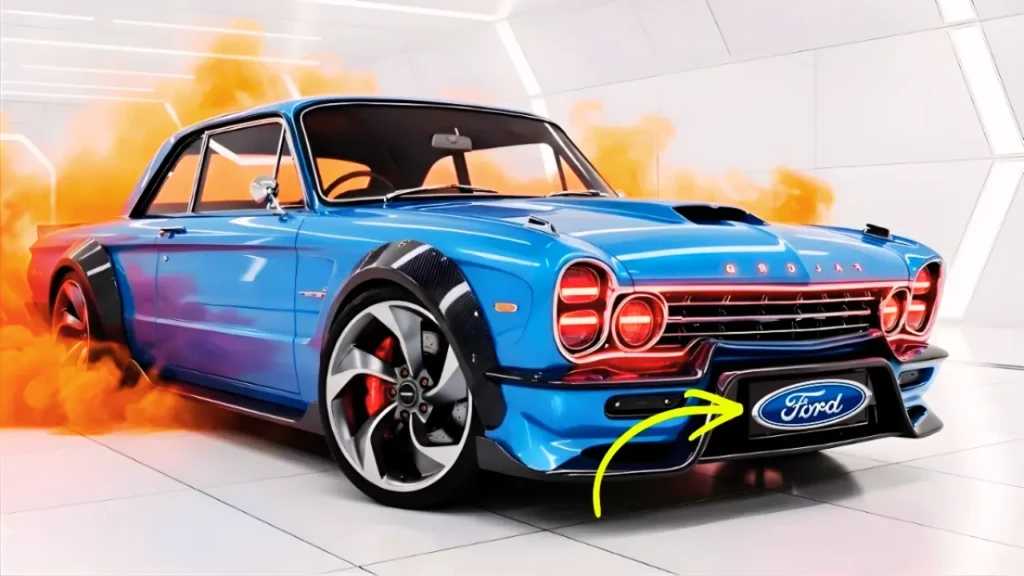
The 2026 Ford Falcon is one of the most recognizable car names in automotive history, particularly known for its strong presence in markets like the United States and Australia. Over the decades, it evolved from a compact sedan to a full-size, powerful vehicle that appealed to both families and driving enthusiasts. Its long production run demonstrates its adaptability to changing customer needs and market trends.
The Falcon name became deeply associated with durability and everyday usability. It was designed to handle long drives, rough roads, and varying weather conditions, making it a practical choice for many buyers. This reliability-focused approach led to a loyal customer base that relied on it for both personal and professional use. Even today, the Falcon is remembered as a symbol of robust engineering and classic design.
History and Evolution
The Ford Falcon began its journey in 1960 as a compact car intended to compete with affordable imports. In its early years, it featured simple mechanicals, a lightweight design, and fuel-efficient engines. This made it attractive at a time when buyers sought affordable and easy-to-maintain vehicles. First-generation models focused more on practicality than luxury or aggressive styling.
As the years passed, the Falcon gradually grew in size and capability. By the late 1960s and 1970s, it had become a mid-size and later full-size sedan in many markets. Engine options included powerful inline-six and V8 engines, significantly improving performance. This change helped the Falcon appeal to buyers who desired both comfort and a strong road presence.

In Australia, the Ford Falcon became an automotive icon. It was developed locally and modified to suit long highways and high-temperature conditions. The Australian-built Falcon remained in production until 2016, demonstrating the model’s deep-rooted presence in that market. Its development over five decades demonstrates Ford’s ability to refine the car without losing its original identity.
Engine Performance and Driving Experience
The Ford Falcon has always been known for its powerful engine lineup. One of its most popular features was the inline-six engine, which delivered smooth power and excellent durability. These engines, with proper maintenance, could deliver high mileage, making them popular with taxi operators and long-distance drivers. The V8 option added another level of excitement for performance-focused buyers.
The Falcon’s driving experience focused on stability and comfort. Its long wheelbase contributed to a stable feel on the highway, while suspension tuning favored a smooth ride over sharp handling. This made it ideal for both daily commuting and long road trips. Even at high speeds, the car maintained good balance and control.
Later models featured an improved transmission, a better braking system, and refined steering. These upgrades enhanced safety and driving confidence. While it may not have been the most agile car in tight urban spaces, it excelled on open roads, where its power and comfort truly stood out.

Interior Space and Practical Features
The Ford Falcon was designed with space in mind. The cabin offered ample legroom and headroom, especially in the rear seats, making it ideal for families. The wide-body design allowed for comfortable seating for five large passengers, a major selling point in the segment. The trunk space was also large, allowing for travel with heavy luggage.
Interior features underwent frequent changes over time. Early models were simple, focusing on durability rather than technology. Later generations added modern features like power windows, climate control, advanced infotainment systems, and improved seat comfort. These features helped the Falcon compete against newer competitors.
The overall interior layout prioritized ease of use. Controls were straightforward, visibility was good, and the seating position was comfortable for long drives. This practical approach made the Falcon user-friendly and appealing to a variety of drivers.
Market Impact and Legacy
The Ford Falcon played a crucial role in building Ford’s brand image. It demonstrated that a car could be affordable while still offering powerful performance and comfort. In many markets, it became a benchmark for large sedans and influenced the development of future models. Sales figures over the years demonstrate its strong popularity and trust among buyers.

Even after the end of production, the Falcon maintains a strong presence in the used car market. Many owners still appreciate its mechanical strength and easy availability of spare parts. Enthusiasts also restore and modify the Falcon, keeping its legacy alive through car shows and community events.
The Ford Falcon’s enduring identity lies in its balance. It wasn’t just about speed or luxury but about delivering a confident driving experience. It’s this balanced character that makes the Falcon a revered name in automotive history, long after its last model rolled off the production line.